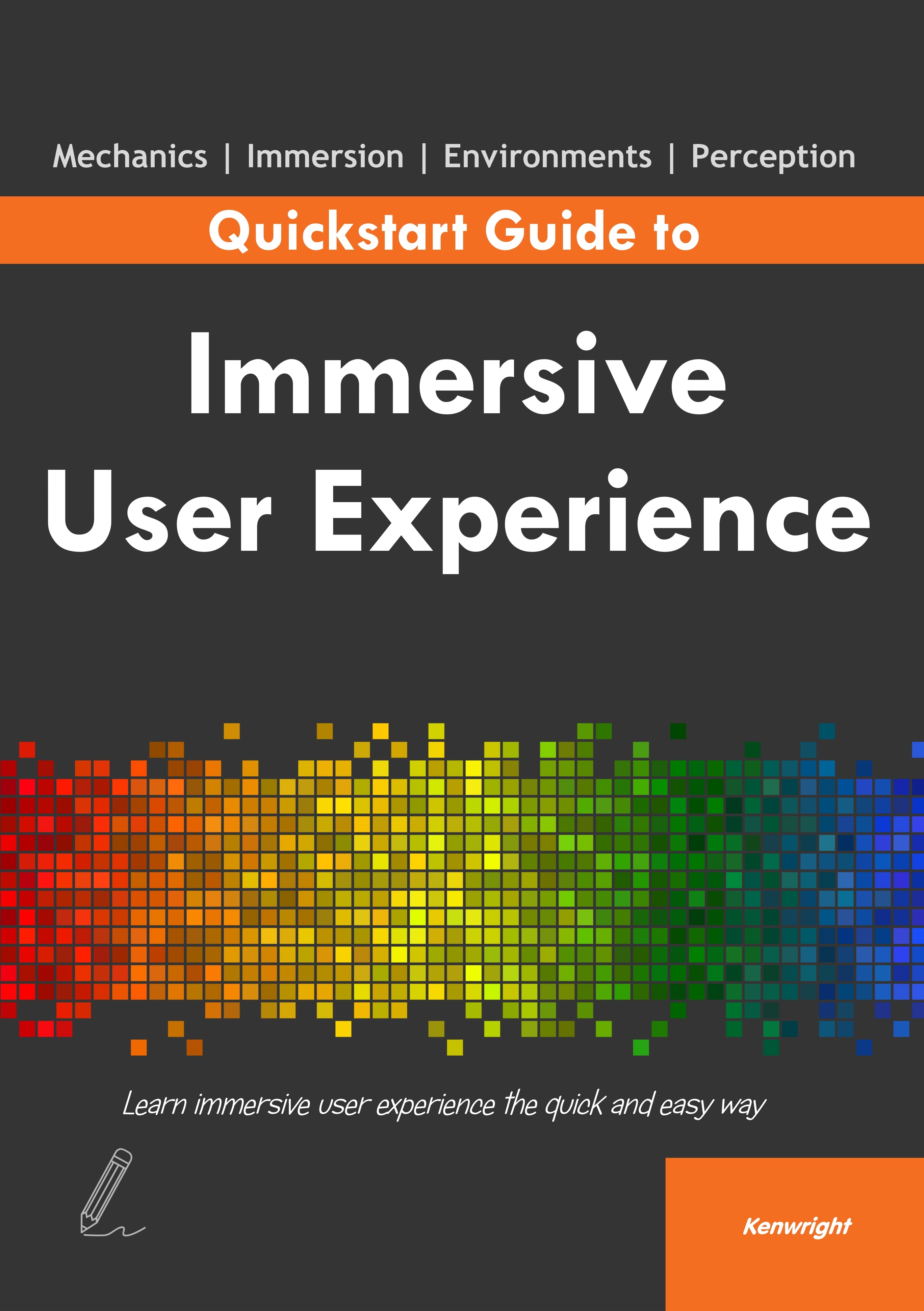
A innovative exploration of Immersive UX and its impact on the innovative concepts. This essential read offers fresh perspectives and practical insights that will transform your understanding.
This comprehensive work delves deep into the core concepts of Immersive UX, offering readers a unique perspective that bridges theoretical knowledge with practical application. The carefully structured chapters build upon each other, creating a learning journey that is both educational and inspiring. Each section includes practical examples and thought-provoking exercises. Readers will appreciate the author's ability to weave storytelling with scholarly insight, creating a rich tapestry of knowledge that is both informative and engaging. Whether you're seeking to deepen your understanding or simply explore new perspectives, "Quickstart Guide to Immersive User Experience (Paperback)" offers a rewarding experience that lingers long after the final page.
I appreciated the balance between research and anecdotal evidence—it felt grounded and real.
The section on VR Interaction opened my eyes to possibilities I hadn’t considered.
I loved how the author used personal stories to illustrate key points.
February 15, 2026
This book completely transformed my understanding of Immersive UX. The author's approach is both innovative and practical.
Couldn't agree more. The real-world examples made all the difference for me.
February 16, 2026I had the same experience. The practical exercises really helped solidify the concepts.
February 21, 2026Stay updated with the latest from the book world
A super cute and cozy romantasy (with dragons!), a messy girl becomes internet famous, READY PLAYER TWO, and more of the best book deals of the day...
Read MoreHere's the best way to keep track of new sci-fi and fantasy books—without it becoming a part-time job of catalogue reviews and spreadsheets....
Read MoreHere's the best way to keep track of new queer books—without it becoming a part-time job playing queer book detective....
Read MoreEnhance your reading and learning experience
Use the Feynman Technique: teach what you learn to someone else to identify knowledge gaps.
Take brief notes after each chapter. Summarizing helps cement knowledge.
Write documentation as if the next person reading it is a violent psychopath who knows where you live.
Rubber Duck Debugging: explain your code line by line to an inanimate object.
Follow the 20-20-20 rule: every 20 minutes, look at something 20 feet away for 20 seconds.
Use a pointer or your finger to guide your eyes. This can increase reading speed by 25%.
Sarah Johnson
Professional ReviewerGreat point! I especially appreciated the chapter on implementation strategies.
February 15, 2026